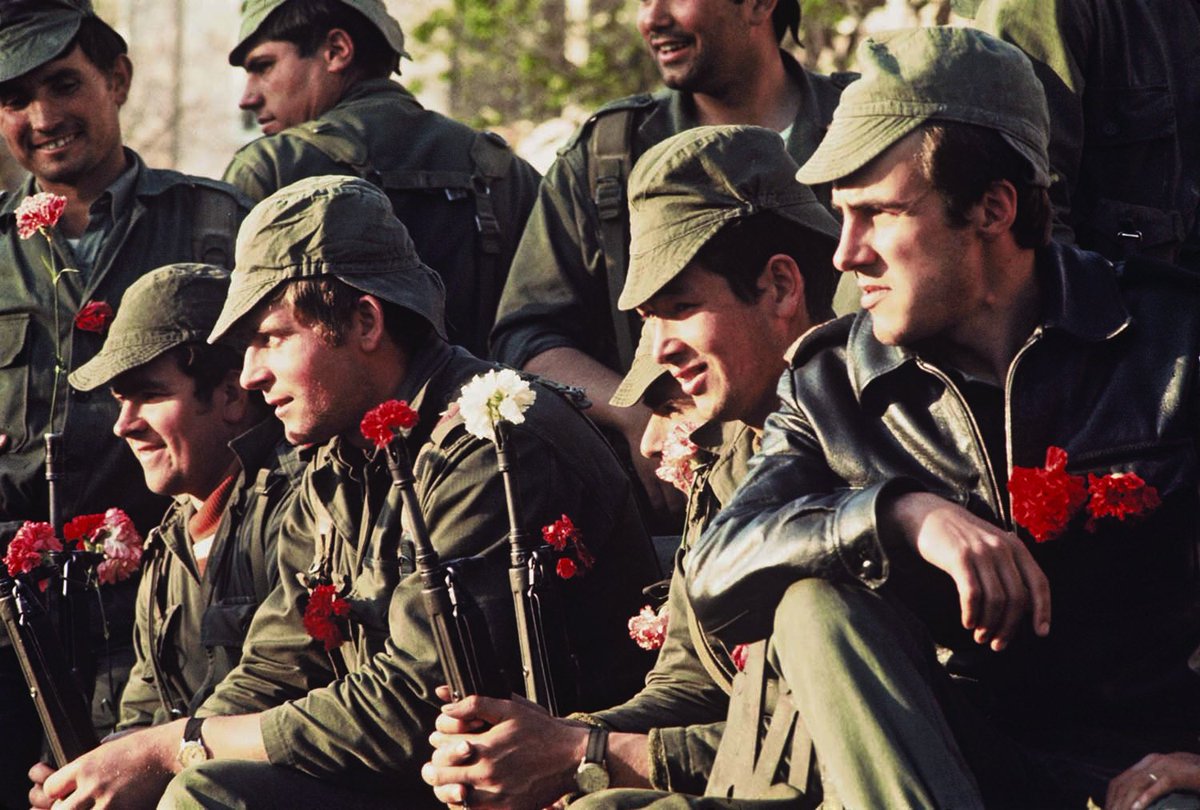
REVOLUÇÃO DE
25 DE ABRIL DE 1974
SCROLL
01
06
MILITARY DICTATORSHIP
1928
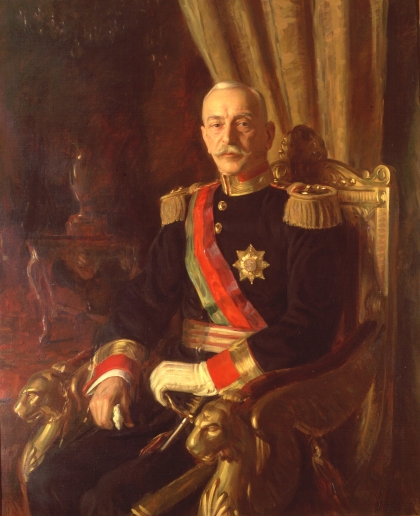
Following a military coup of May 28, 1926, a military dictatorship was established in Portugal, which would culminate in the presidential election of Óscar Carmona in 1928. It was during the presidential term of Carmona that the new authoritarian regime of fascist inspiration was established, the ‘Estado Novo’.
02
06
COLONIAL WAR
1961-1974
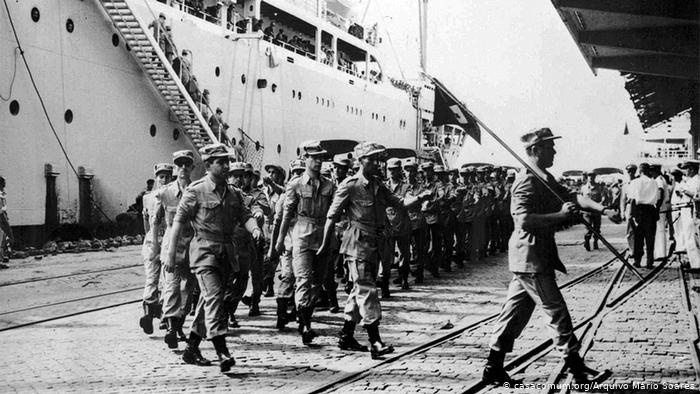
The Colonial War, also known as ‘Guerra do Ultramar’, was the period of confrontation between the Portuguese Armed Forces and the forces organized by the liberation movements of the former colonies - Angola, Guinea-Bissau and Mozambique - between 1961 and 1974. The term ‘Guerra do Ultramar’ was an unofficial name used during the Estado Novo period - the dictatorial regime did not recognize the existence of an armed conflict, considering the armed uprisings of the liberation movements as acts of terrorism.
03
06
.jpg)
.jpg)
1974
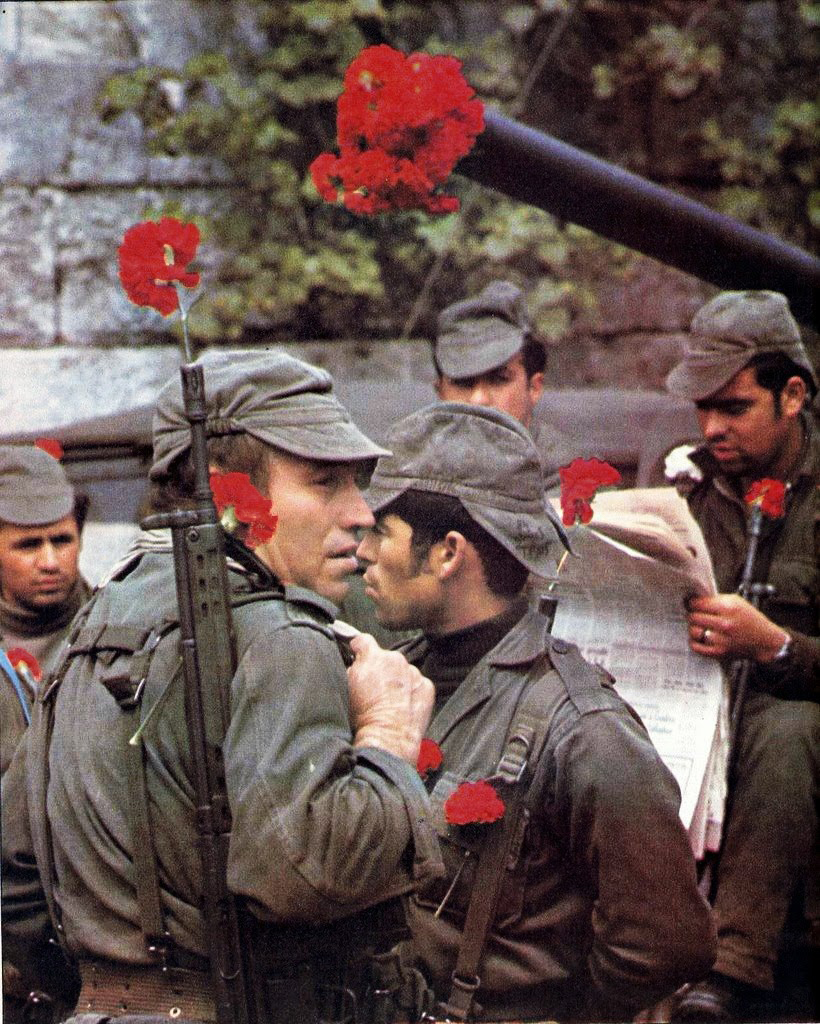
On April 25, 1974, a coup led by the Movement of the Armed Forces or MFA, composed mostly of captains who had participated in the colonial war, deposed the regime of the Estado Novo, the oldest European dictatorship, in power since 1933. The population joined the coup in mass. General António de Spínola took over the Junta de Salvação Nacional, to whom political power is given until the formation of a Provisional Civil Government. Democratizing, decolonizing and developing are the main objectives of the program presented by the MFA. The Carnation Revolution thus paved the way for the independence of the then overseas provinces.
04
06
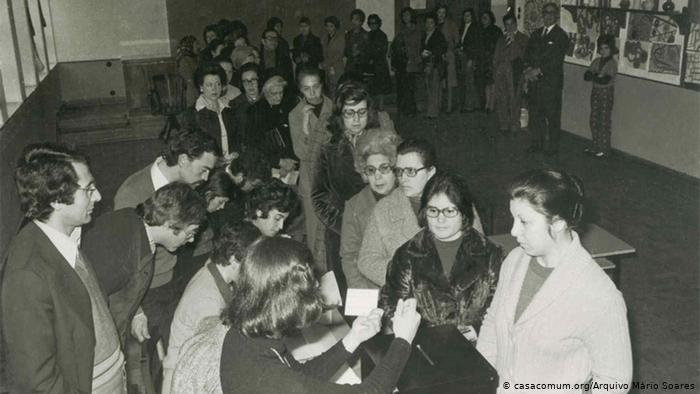
FREE ELECTIONS
1975
One year after the Carnation Revolution, elections are held for the Constituent Assembly. These are the first free elections held in Portugal for the last 50 years. The big winner was the Socialist Party (PS), that had 38% of the votes, followed by the Popular Democratic Party (PPD, which would later be called the Social Democratic Party, PSD) with just over 26 % of the votes and the Portuguese Communist Party (PCP), which got close to 12.5% of the votes.
05
06
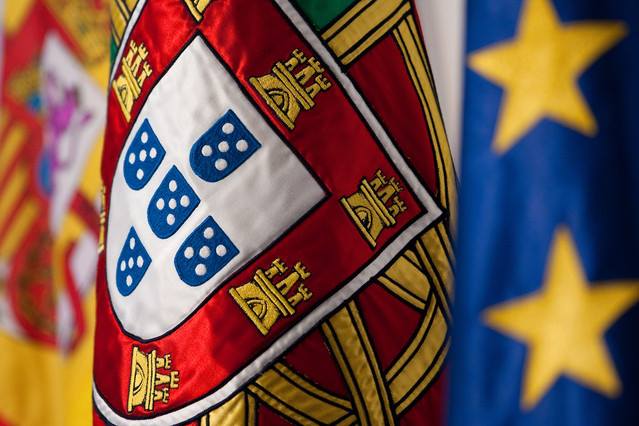
PORTUGAL ENTRANCE
ON THE EUROPEAN UNION
1986
On the 1st of January, 1986, Portugal became part of the EU, as a guarantee of political democracy and development opportunity. The Portuguese then started measuring others and also measuring themselves through Europe standards. The people responsible for this were: Mário Soares, Rui Machete and Ernâni Lopes.
06
06